Los cuáqueros de Monteverde: la montaña que existe porque un país botó sus armas
Monteverde no empezó como destino turístico. Empezó como un acto de conciencia: un grupo de cuáqueros que no quiso tener nada que ver con la guerra buscó en el mapa un país que acababa de abolir su ejército, y se mudó ahí. Lo que fundaron —una lechería, una escuela y un bosque que decidieron no tocar— se convirtió en una de las reservas más famosas del planeta.
De todas las historias que contamos subiendo la montaña, esta es la que más preguntas genera, porque conecta dos artículos de este blog: la abolición del ejército de 1948 y el bosque nuboso que usted va a visitar mañana. Son la misma historia, con tres años de diferencia.
Alabama, 1949: cuatro muchachos presos por no alistarse
Los cuáqueros —la Sociedad Religiosa de los Amigos— llevan siglos sosteniendo una convicción incómoda: la violencia no se justifica nunca, ni siquiera vestida de uniforme. En 1949, en el pueblo de Fairhope, Alabama, cuatro jóvenes cuáqueros fueron a la cárcel por negarse a inscribirse en el registro militar de Estados Unidos, que se preparaba para la guerra de Corea.
Cuando salieron, su comunidad hizo una pregunta radical: ¿tiene sentido pagar impuestos y criar hijos en un país que nos mete presos por no querer matar? La respuesta fue mudarse. ¿Pero adónde?
La razón exacta por la que escogieron Costa Rica
Revisaron opciones por medio continente, y una noticia inclinó la balanza: había un país pequeño, montañoso y estable que acababa de abolir su ejército. Para un pacifista que venía de la cárcel por objetor, aquello no era un dato de almanaque: era la señal de que existía un lugar donde su conciencia y su ciudadanía no iban a chocar.
En 1950 y 1951, once familias —unas cuarenta y cuatro personas— vendieron fincas y negocios en Alabama y emprendieron el viaje: unos en avión, otros manejando meses por la Interamericana a medio construir. En abril de 1951 compraron unas mil quinientas hectáreas en lo alto de la cordillera de Tilarán, a 1 400 metros, donde no llegaba ninguna carretera. Al lugar le pusieron nombre en español, el idioma de su nueva casa: Monteverde.
Queso, escuela y un bosque que decidieron no tocar
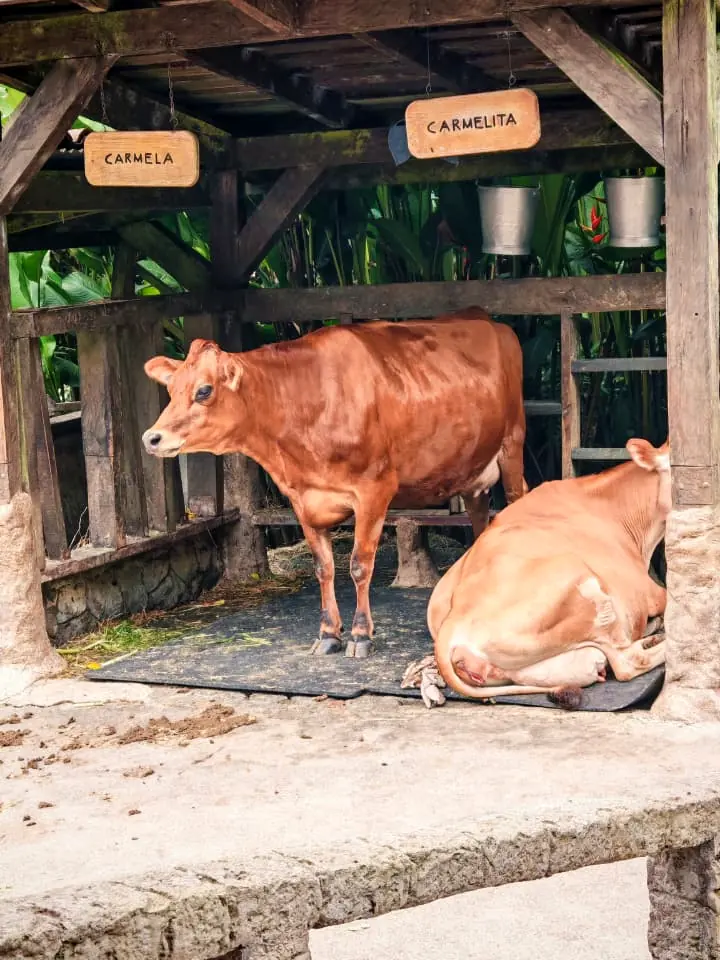
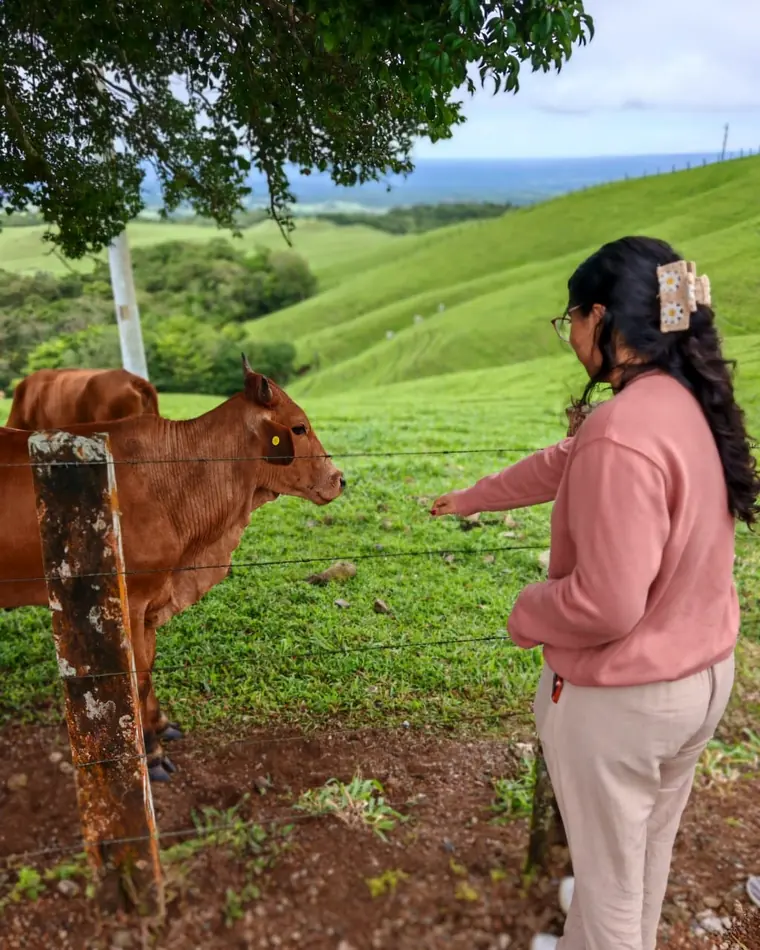
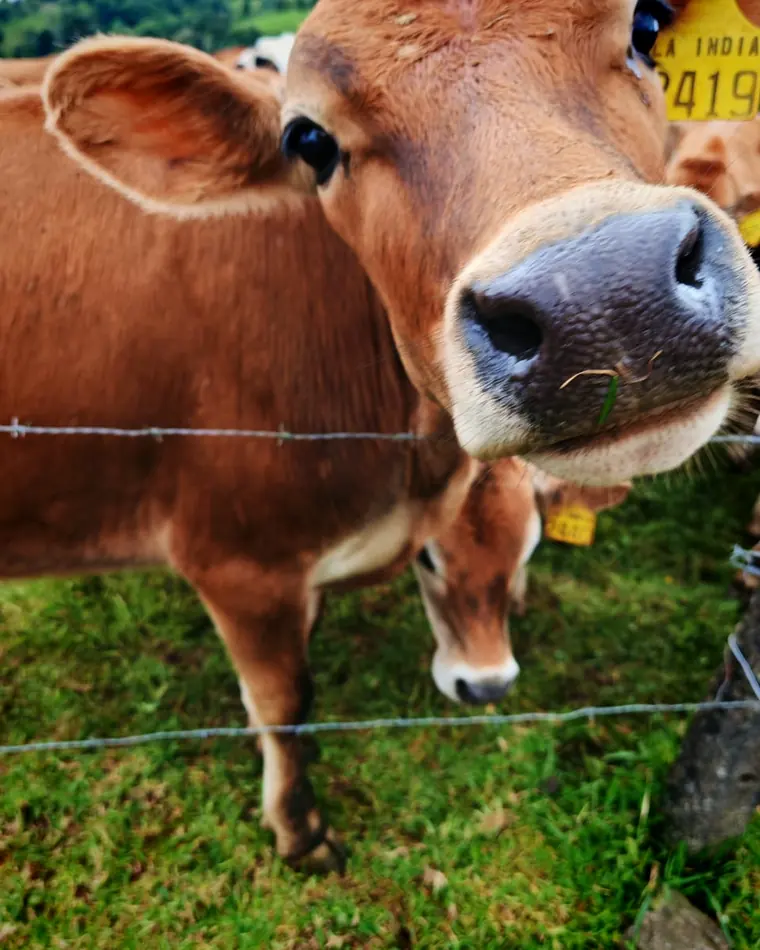
Había que vivir de algo, y en una montaña fría y sin caminos la respuesta fue el ganado lechero: la leche aguanta el viaje si se convierte en queso. En 1953 fundaron Productores de Monteverde — «la Lechería» — cuyo queso Monteverde terminó vendiéndose en todo el país y financiando escuela, caminos y comunidad por décadas.
Pero la decisión más trascendente fue la que no daba plata: reservaron la parte alta de su propiedad —el bosque de donde bajaba el agua— y acordaron no cortarlo nunca. Le pusieron un nombre que parece de cuento y era una política de manejo: el Bosque Eterno. Protegían su cuenca; sin saberlo, estaban guardando intacto uno de los ecosistemas más raros del mundo.
Del queso al quetzal
En los años sesenta y setenta, los biólogos empezaron a subir la montaña detrás de algo que los cafetales ya no tenían: bosque nuboso primario, quetzales, y una diversidad que no cabía en los cuadernos. De esa alianza entre científicos y la comunidad cuáquera nació en 1972 la Reserva Biológica Bosque Nuboso Monteverde, administrada por el Centro Científico Tropical, con el Bosque Eterno como semilla.
El resto es la historia que usted va a caminar: senderos entre musgo y neblina, puentes colgantes, y un pueblo —Santa Elena— que vive del bosque en pie, no del bosque cortado. Los apellidos de aquellas once familias siguen ahí: en la escuela de los Amigos, en la lechería, en los rótulos de las fincas.
Del asiento del conductor
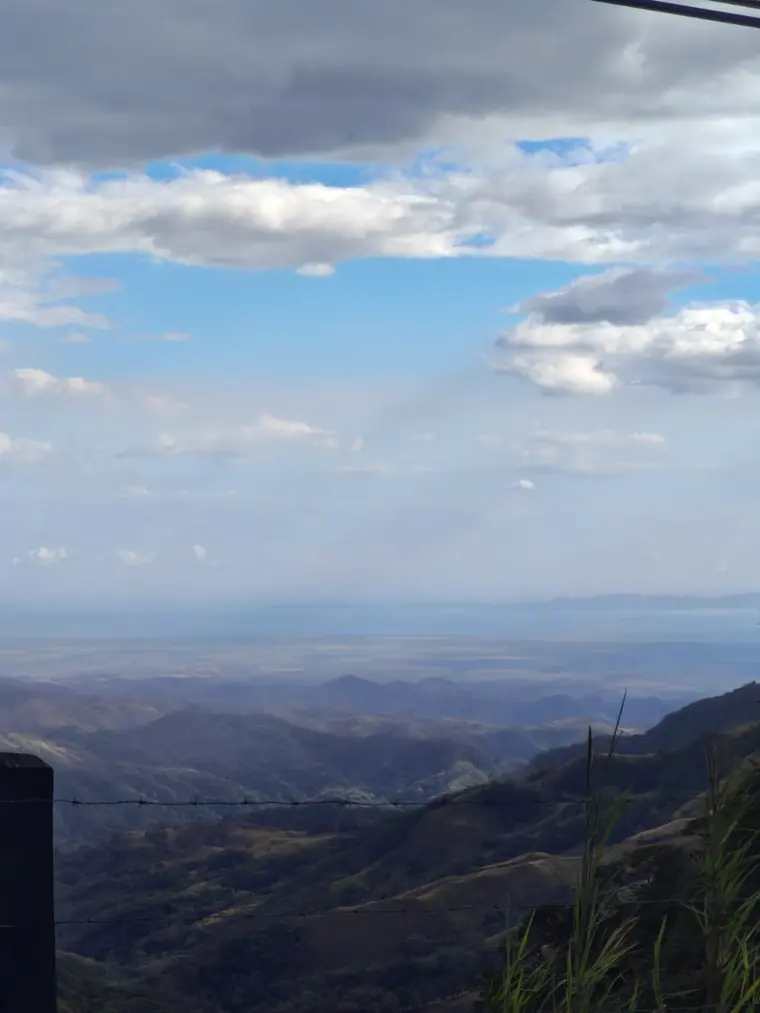
Subiendo por la 606, poco antes de Santa Elena, pasamos frente a la fábrica de queso original — todavía se puede parar a comprar helado y queso Monteverde. A los pasajeros que les contamos la historia completa, ese helado les sabe distinto.
Y un viernes cualquiera, si pasa frente a la Casa de Reunión de los Amigos a las diez y media de la mañana, la reunión sigue siendo en silencio, como hace setenta años. Cualquiera puede entrar y sentarse.
Lo esencial
1949: cuatro cuáqueros presos en Alabama por negarse al registro militar. 1951: once familias emigran a Costa Rica — escogida porque acababa de abolir su ejército — y fundan Monteverde. Viven del queso, reservan el «Bosque Eterno» sin tocar, y de esa reserva nace en 1972 el Monteverde que hoy visita el mundo entero.
Fuentes consultadas
The Monteverde Quakers: the mountain that exists because a country threw away its guns
Monteverde did not begin as a tourist destination. It began as an act of conscience: a group of Quakers who wanted nothing to do with war searched the map for a country that had just abolished its army, and moved there. What they founded — a dairy, a school and a forest they decided never to cut — became one of the most famous reserves on the planet.
Of all the stories we tell climbing the mountain, this one draws the most questions, because it connects two articles on this blog: the abolition of the army in 1948, and the cloud forest you will visit tomorrow. They are the same story, three years apart.
Alabama, 1949: four young men jailed for refusing the draft
The Quakers — the Religious Society of Friends — have held an uncomfortable conviction for centuries: violence is never justified, not even in uniform. In 1949, in the town of Fairhope, Alabama, four young Quakers went to prison for refusing to register for the United States military draft, as the country prepared for the Korean War.
When they came out, their community asked a radical question: does it make sense to pay taxes and raise children in a country that jails us for refusing to kill? The answer was to move. But where?
The precise reason they chose Costa Rica
They weighed options across half a continent, and one piece of news tipped the scale: there was a small, mountainous, stable country that had just abolished its army. To a pacifist fresh out of jail as an objector, that was not an almanac fact: it was the sign that there existed a place where conscience and citizenship would not collide.
Through 1950 and 1951, eleven families — some forty-four people — sold farms and businesses in Alabama and set out: some by plane, others driving for months down the half-built Inter-American Highway. In April 1951 they bought around fifteen hundred hectares high on the Tilarán range, at 1,400 metres, where no road reached. They named the place in Spanish, the language of their new home: Monteverde — green mountain.
Cheese, a school, and a forest they chose not to touch
They had to live on something, and on a cold, roadless mountain the answer was dairy cattle: milk survives the journey if you turn it into cheese. In 1953 they founded Productores de Monteverde — "the Cheese Factory" — whose Monteverde cheese ended up sold across the country, funding the school, the roads and the community for decades.
But the most consequential decision was the one that made no money: they set aside the upper part of their land — the forest their water came down from — and agreed never to cut it. They gave it a name that sounds like a fairy tale and was in fact a management policy: the Bosque Eterno, the Eternal Forest. They were protecting their watershed; without knowing it, they were keeping intact one of the rarest ecosystems in the world.
From cheese to quetzal
In the sixties and seventies, biologists began climbing the mountain after something the coffee farms no longer had: primary cloud forest, quetzals, and a diversity that would not fit in their notebooks. From that alliance between scientists and the Quaker community, the Monteverde Cloud Forest Biological Reserve was born in 1972, managed by the Tropical Science Center, with the Eternal Forest as its seed.
The rest is the story you will walk: trails of moss and mist, hanging bridges, and a town — Santa Elena — that lives from the forest standing, not the forest cut. The surnames of those eleven families are still there: on the Friends School, on the dairy, on the farm gates.
From the driver's seat
Climbing the 606, shortly before Santa Elena, we pass the original cheese factory — you can still stop for ice cream and Monteverde cheese. For passengers who have heard the whole story on the way up, that ice cream tastes different.
And on any given Friday, if you pass the Friends Meeting House at half past ten in the morning, the meeting is still held in silence, as it has been for seventy years. Anyone may walk in and sit down.
The short version
1949: four Quakers jailed in Alabama for refusing the draft. 1951: eleven families emigrate to Costa Rica — chosen because it had just abolished its army — and found Monteverde. They live on cheese, set aside the "Eternal Forest" untouched, and from that reserve grows, in 1972, the Monteverde the whole world now visits.
Sources
¿Sube a Monteverde?
Heading up to Monteverde?
La subida se hace conversada: en el camino le contamos dónde queda la lechería original, la Escuela de los Amigos y la entrada del Bosque Eterno. Precio final por vehículo.
The climb goes by in conversation: on the way we point out the original cheese factory, the Friends School and the entrance to the Eternal Forest. Final price per vehicle.