The day Costa Rica knocked down its own barracks: how the army was abolished
Costa Rica is one of the very few countries on Earth without an army — and the only one that got there by decision of the side that had just won a war. This is the full story, with its dates, its mallet, and its most beautiful detail: who was handed the keys to the barracks.
When passengers ask why you never see a military convoy on the highway, we tell them this story, and the same thing always happens: silence, then the question of whether we are serious. We are. Costa Rica has had no army since 1948, and the way it got there resembles no other country's path.
First, the war
The founding paradox: the country without an army was born of a war. In February 1948 there was a presidential election, and the Congress of the day annulled the result when the opposition candidate, Otilio Ulate, won. Six weeks later, a coffee farmer and engineer named José Figueres Ferrer took up arms to enforce that election.
The civil war of 1948 lasted about six weeks — March to April — and left around two thousand dead. It remains the bloodiest episode in the country's modern history. Figueres won, took power at the head of a provisional junta, and then came the turn nobody expected.
The victor dissolves his own instrument
Every history manual says the same thing: the winner of a war keeps the army, he does not eliminate it. Figueres did the opposite. On 1 December 1948, at a ceremony at the Bellavista barracks — the country's main garrison, on a hill above San José — he announced the dissolution of the armed forces.
And he did it with proper theater: he took a mallet and personally struck one of the battlements of the barracks wall, in front of the cameras. The gesture said what words would take longer to say: this is not closing for now — it is being torn down for good.
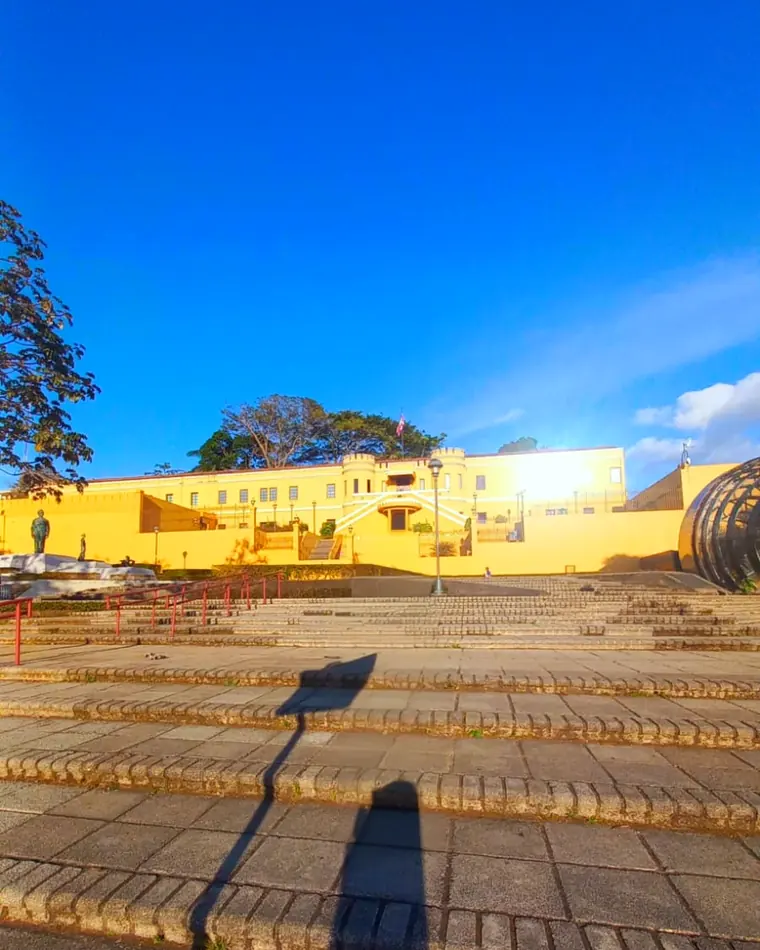
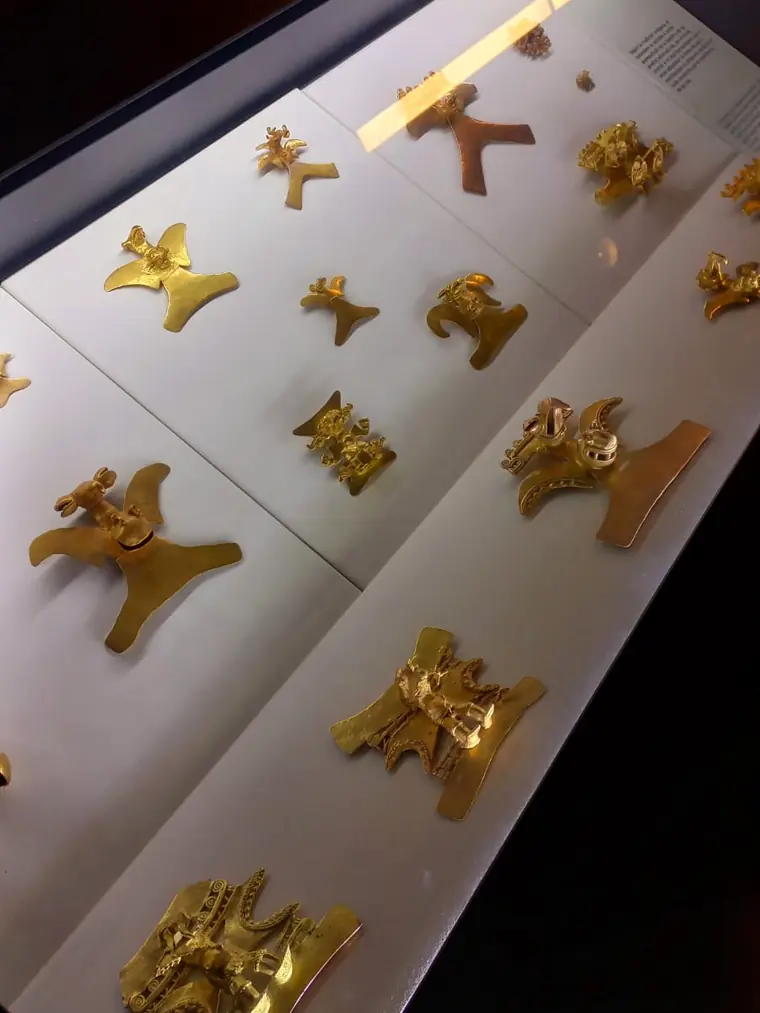
The detail we most enjoy telling in the van: the keys to the barracks were not filed away or handed to the police. They were given to the Minister of Education, and the building became the home of the National Museum — which is exactly what it still is today. Where there were rifles there are butterflies, pre-Columbian stone spheres and schoolchildren in single file.
From gesture to law
A mallet blow can be undone by the next decree, so the decisive step came afterwards: the Constitution of 1949 proscribed the army as a permanent institution in its Article 12. Since then, abolition is not a government policy: it is a rule of the game, and no president can reverse it without amending the Constitution.
The money saved on barracks went elsewhere, and that elsewhere is what you see out the window: schools in the last hamlet on the mountain, the social security system, and over the years one of the most ambitious national park systems on the planet. The phrase every child here grows up hearing is that the barracks were traded for classrooms — and for once, the slogan matches the budget.
Did it work?
Seventy-odd years later, the results are in plain sight: Costa Rica crossed the second half of the twentieth century — the era of military dictatorships across Latin America — without a single coup, with uninterrupted elections since 1953. In 1987, while the rest of Central America was at war, President Óscar Arias received the Nobel Peace Prize for the plan that helped end those wars. It is hard to imagine that Nobel in a country with generals.
Today, 1 December is a national holiday: Army Abolition Day. A country that takes a day off to celebrate the anniversary of running out of soldiers — that, believe us, you will not see anywhere else.
From the driver's seat
You recognize the National Museum the moment you reach downtown San José: it is the yellow, crenellated fortress-like building facing the Plaza de la Democracia. The towers still carry bullet marks from the war of '48 — deliberately left unrepaired.
If your flight leaves in the afternoon, the last morning fits perfectly: the museum, a coffee at the National Theatre five blocks away, and on to the airport. It is one of our favorite ways to close a trip, because the country reads differently once you have seen that wall.
The short version
1948: a six-week civil war. The victor, José Figueres, dissolves the army on 1 December and strikes the barracks wall with a mallet. The 1949 Constitution makes it permanent. The keys end up with the Minister of Education, and the barracks becomes the National Museum you can visit today.
Sources
Want to see where it happened?
The old Bellavista barracks is now the National Museum, in the heart of San José. If your itinerary passes through the capital, it fits in a morning — and we will take you.